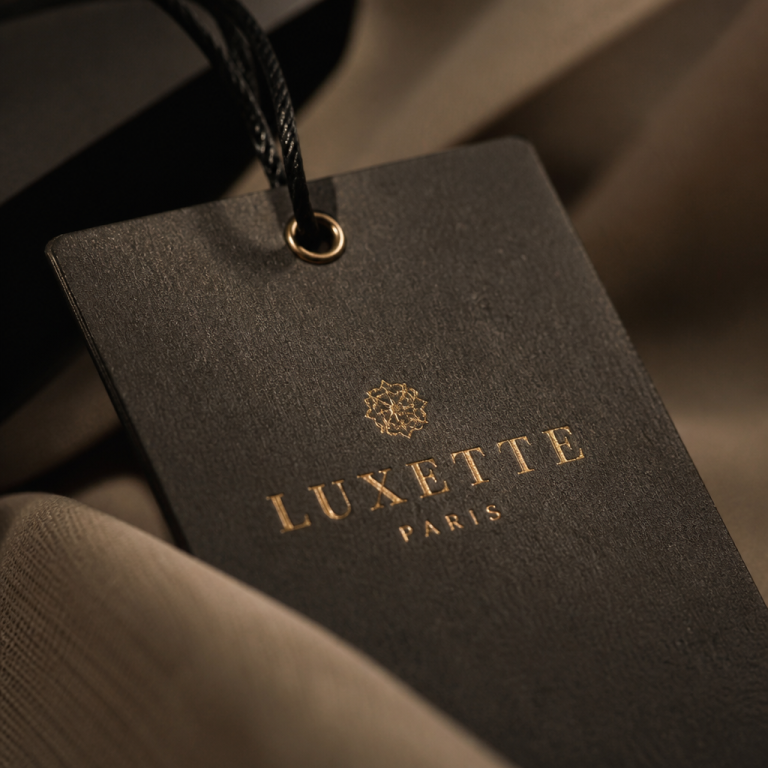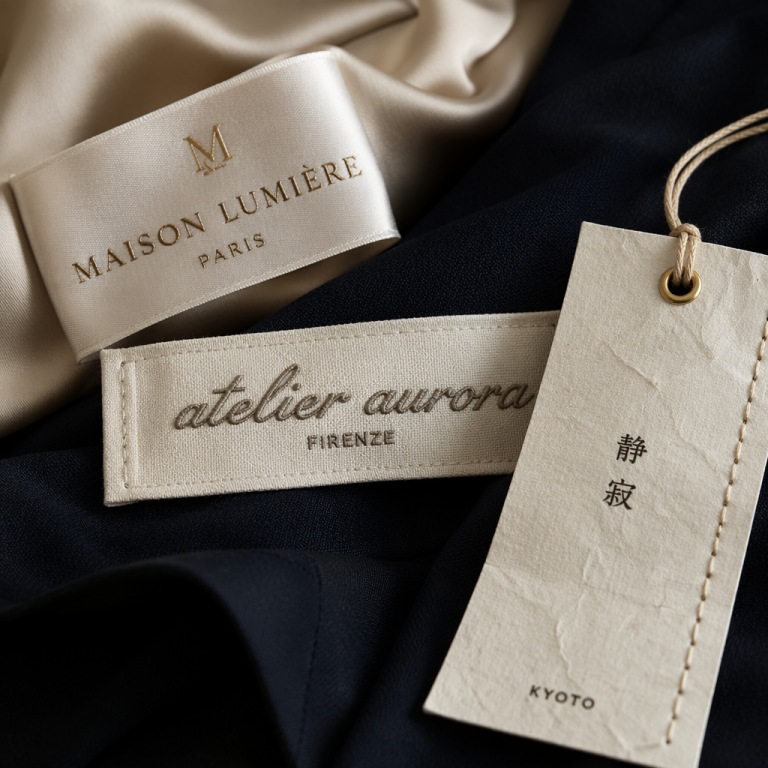
I was in a sun-drenched Marais boutique last spring, thumbing through a rail of indigo-dyed linen shirts, when my fingers stopped not at a seam or a stitch but at a small rectangle of cardstock tied to the top button. It was uncoated, the colour of clotted cream, with a single word letterpressed in a serif so fine it almost disappeared into the grain of the paper. The string—a simple waxed cotton cord—had been knotted by hand, the tag swinging gently as I lifted the hanger. Before I’d even registered the price or the size, that little piece of paper had already spoken: this is considered, this is quiet, this is worth your attention. The brand was an emerging Parisian label you’ve probably never heard of, and that swing ticket told me everything I needed to know about their world.
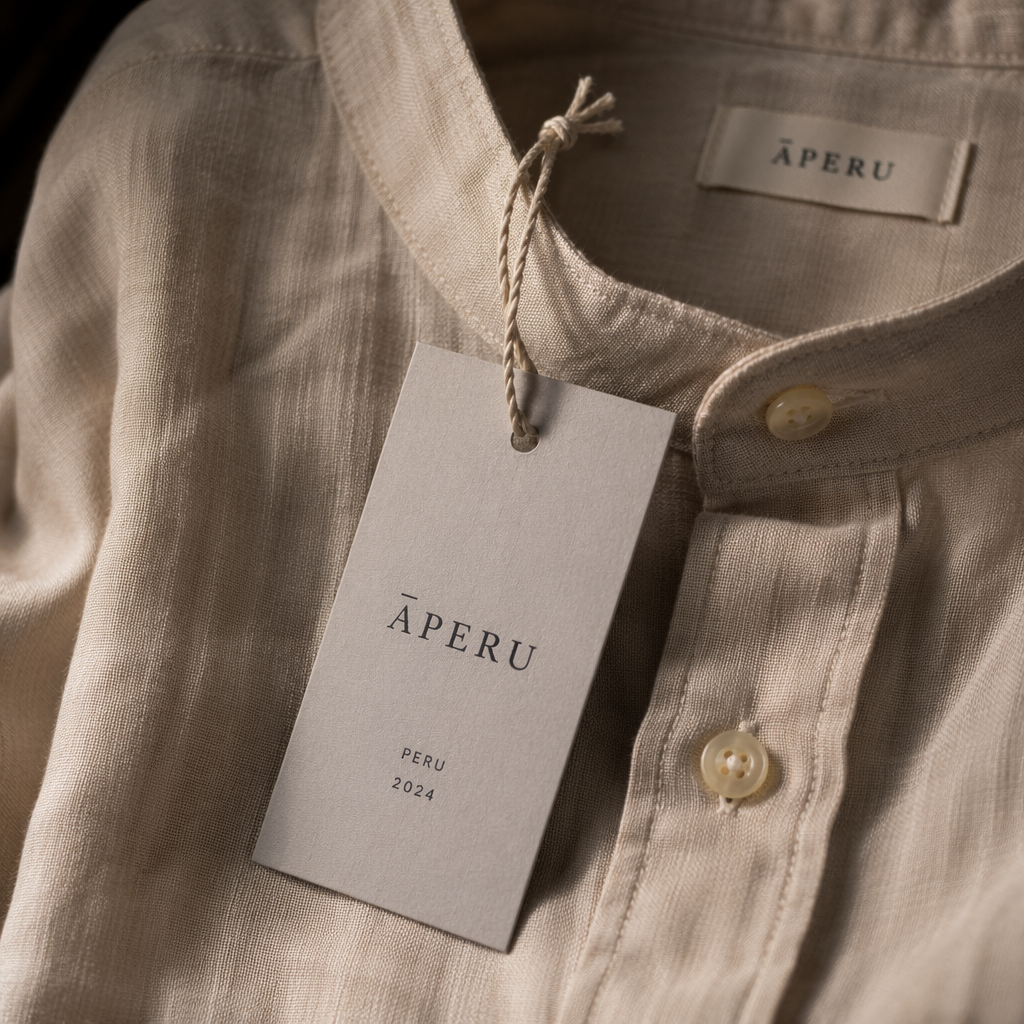
For the independent designer or boutique owner, custom hang tags and swing tickets are never merely a vessel for a barcode or a price. They are your brand’s smallest, most tactile real estate—a miniature billboard that a customer holds between thumb and forefinger in the decisive moment. In the premium and luxury segment, where every detail must justify a higher price point, the swing ticket operates as both a promise and a proof point. It tells the story of your craftsmanship before the wearer has even tried on the garment. I’ve spent years observing how the most thoughtful fashion houses treat these paper ambassadors, and the lesson is clear: the hang tag is not an afterthought; it is an integral part of the garment’s identity and the retail display.
The Tactile First Impression
Think about the last time you encountered a truly beautiful piece of clothing on a rack. Your eye likely went first to the silhouette or the fabric, but as you reached out, your hand instinctively found the swing ticket. The tactile quality of that tag—its weight, its texture, its temperature—becomes part of the physical experience of the garment. A flimsy, glossy tag pinned with a plastic swift tack can shatter the illusion of luxury faster than a crooked stitch. Conversely, a substantial, textured card with a soft cord or a delicate ribbon can make a mid-priced piece feel elevated.
I remember inspecting a rack of Totême blazers a few seasons ago. Their swing tickets were thick, almost board-like, with a subtle tooth that reminded me of beautiful watercolour paper. The string was a tonal grey cotton that matched the lining of the blazer. The label didn’t scream; it whispered. This kind of material intelligence signals to the customer that the brand has considered everything, down to the object you will likely discard in the dressing room. But you don’t discard it, not really. I’ve seen customers slip these tags into their pockets or keep them tucked inside the garment’s care label, a tiny keepsake of the buying experience.
Materials That Speak
For premium clothing, the substrate itself is a design choice. The following options each create a distinct brand impression:
- Uncoated and textured stocks — from cotton rag to kraft — convey artisanal warmth and sustainability, perfect for natural fibres and minimalist aesthetics (think Lemaire or Studio Nicholson).
- Coated or satin-finish papers offer a subtle sheen without glossiness, ideal for contemporary tailored brands that balance polish with approachability.
- Specialty materials like translucent vellum, recycled denim paper, or seeded plantable stocks turn the tag into a storytelling device; a plantable hang tag might carry wildflower seeds, tying directly to a collection’s botanical narrative.
- Metal or wood veneer hang tags — though rare in clothing — can anchor a luxury capsule collection, as seen in some Japanese avant-garde labels where a thin brass tag swings from a leather cord.
The choice of attachment is equally telling. A waxed cotton cord with a hand-tied knot suggests artisanal care. A delicate silk ribbon speaks to feminine romance. A tonal cotton string aligns with utilitarian luxury. Even the eyelet—the tiny metal ring punched through the card—can be chosen in brass, nickel, or black oxide to harmonize with the garment’s hardware. These micro-details are not lost on a discerning clientele.
The Art of the Miniature Billboard
All too often, I see emerging designers treat the swing ticket layout as a last-minute checklist: logo, size, price, barcode, done. But the composition of this tiny canvas is where your brand’s graphic identity meets physics. The tag must function at multiple distances: from across the shop floor, it should catch light or cast a distinctive silhouette; up close, it rewards inspection with crisp typography and balanced negative space.
Consider how The Row uses their swing tickets. The logo is typically blind-debossed or letterpressed—no ink, just an impression in the paper. You have to tilt the tag to read it, an intentional act of intimacy that slows the customer down. The price is often on the reverse or tucked inconspicuously at the bottom, because price is not the brand’s primary message. Barcodes, when necessary, are integrated almost apologetically, printed in a soft grey rather than stark black. This is not oversight; it is hierarchy.
Designing for Substance and Scan
A successful premium swing ticket must balance beauty with practical function. Key considerations include:
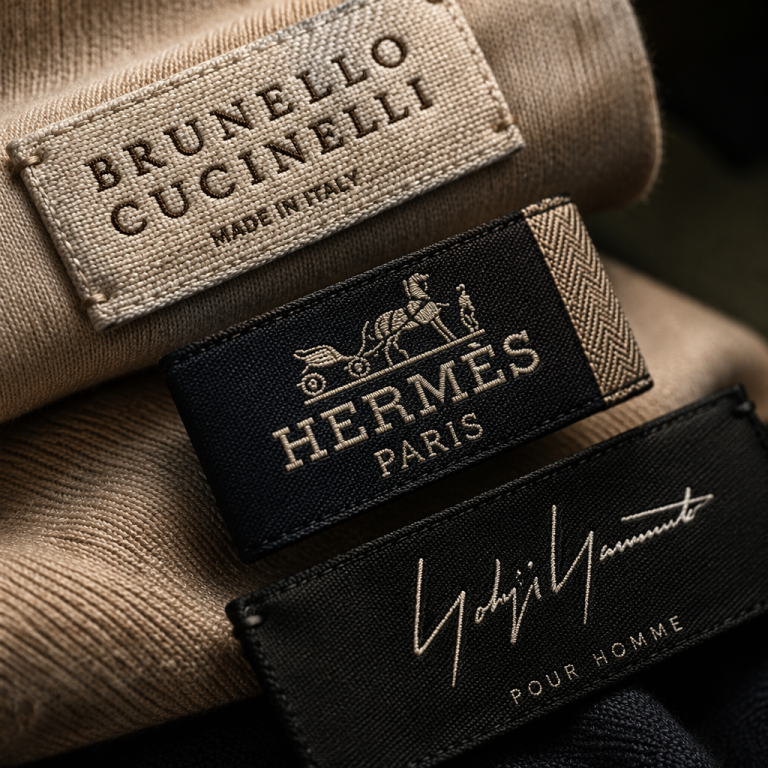
- Typographic restraint: One or two typefaces maximum, with the brand name given generous breathing room. Serif faces tend to convey heritage; geometric sans-serifs read as modern.
- Information hierarchy: The brand mark is largest, followed by size and care icons, then price and barcode. QR codes linking to styling videos or traceability can be a thoughtful addition but should never dominate.
- Barcode execution: If retail scanning is essential, always test readability on textured or dark paper. Sometimes a small area of white ink printed beneath the barcode is necessary, but it can be executed as a clean rectangle rather than an ugly patch.
- Finishing touches: Foil stamping, embossing, and edge painting (dipping the card edges in a tonal colour) are small investments that yield outsized perceived value. A crisp, colour-matched edge can turn a simple white card into a discreet luxury object.
The Role in Retail Display
A rack of clothing is a chorus, and swing tickets are the visual rest notes that give the eye a place to pause. I once walked into a Stockholm boutique where every garment on the central rail had a swing ticket that dangled at exactly the same height—the strings were cut to a uniform 12 centimetres. It created an almost musical rhythm, a sense of architectural order that made the whole collection feel more expensive. This is not accidental; it is part of visual merchandising that luxury retailers obsess over.
When designing custom hang tags, consider how they will behave in motion. A heavy card on a long string will swing elegantly when a hanger is moved, catching the light and drawing attention. A lighter tag might flutter, which can feel playful for a summer dress but distracting for a tailored coat. The attachment point matters, too. Tags tied to the top button of a shirt sit neatly over the placket; those hung from the main garment tag at the back of the neck create a different profile. Boutique owners often find that consistent tag placement across a collection makes restocking and size-checking far more efficient, a small operational grace that enhances the overall shopping experience.
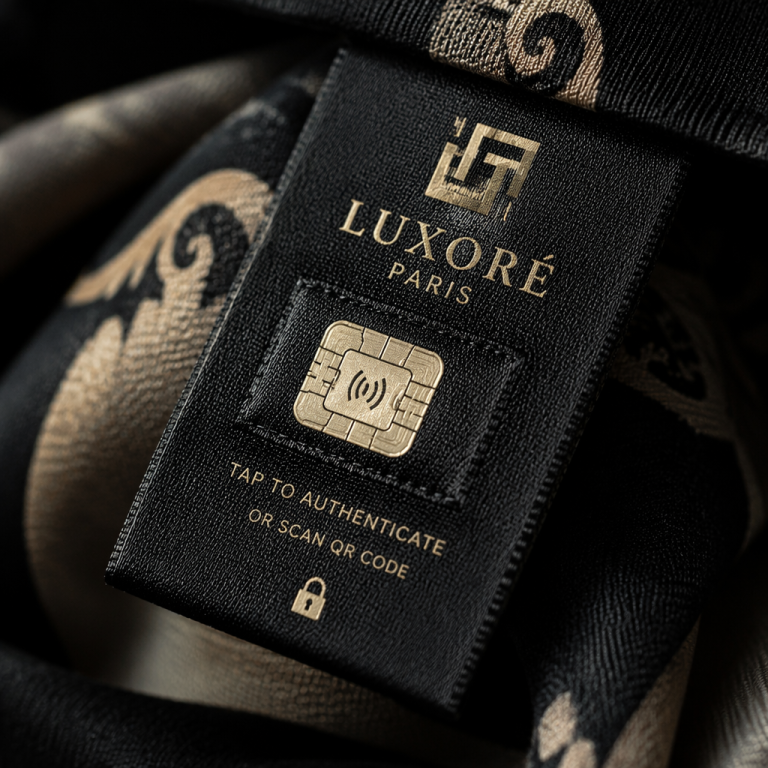
For stores that use security tags, the swing ticket can be designed to nestle alongside or even incorporate the security element subtly. I’ve seen designs where a small RFID inlay is embedded within a double-layer card, completely invisible, so the tag remains beautiful while performing an anti-theft function. This is particularly valuable for high-end boutiques where clunky plastic security tags would ruin the aesthetic.
Crafting a Cohesive Unboxing Moment
The swing ticket’s journey doesn’t end on the shop floor. Think of the customer who buys a garment as a gift. The tag is often the first thing the recipient sees when lifting tissue paper from a box. A beautiful, well-considered hang tag paired with complementary packaging tissue and a branded box creates an unboxing ritual that can live on in memory and on social media. I’ve seen brands like Gabriela Hearst use their hang tags as a vehicle for storytelling, printing a line of poetry or the name of the artisan who hand-finished the piece on the reverse of the ticket. It transforms a disposable tag into a collectible.
Small runs and customisation are increasingly accessible for independent labels. Digital printing allows for variable data, meaning each tag can carry a unique number or even the customer’s name for made-to-order pieces. Short-run letterpress studios can produce as few as