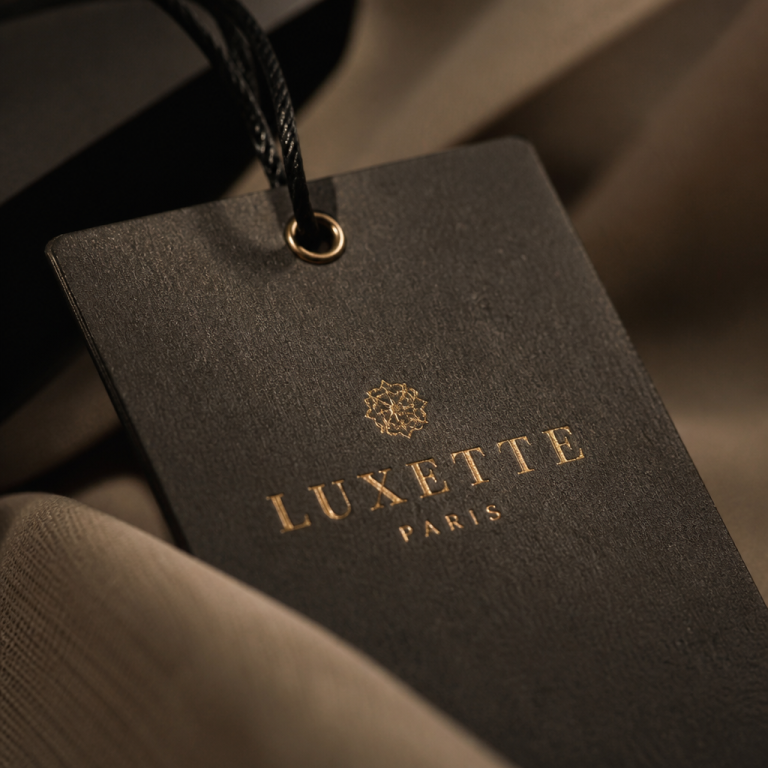
I was standing in the hushed atelier of a Parisian tailor last autumn, running my fingers along the inner facing of a silk-lined jacket, when I felt something barely perceptible. Beneath the satin label bearing the house’s name, a subtle rigidity — as fine as a human hair — hinted at something more. The tailor smiled and asked for my phone. He pressed it against the label and, in an instant, my screen lit up with a certificate of authenticity, a short film of the garment’s creation in Lyon, and a note from the head seamstress. The label had spoken. It was no longer just a static bearer of washing instructions; it had become a portal. That moment crystallized for me how deeply the quiet logic of luxury is changing — and how the humble clothing label is being reinvented as a silent, intelligent ambassador for the brand.
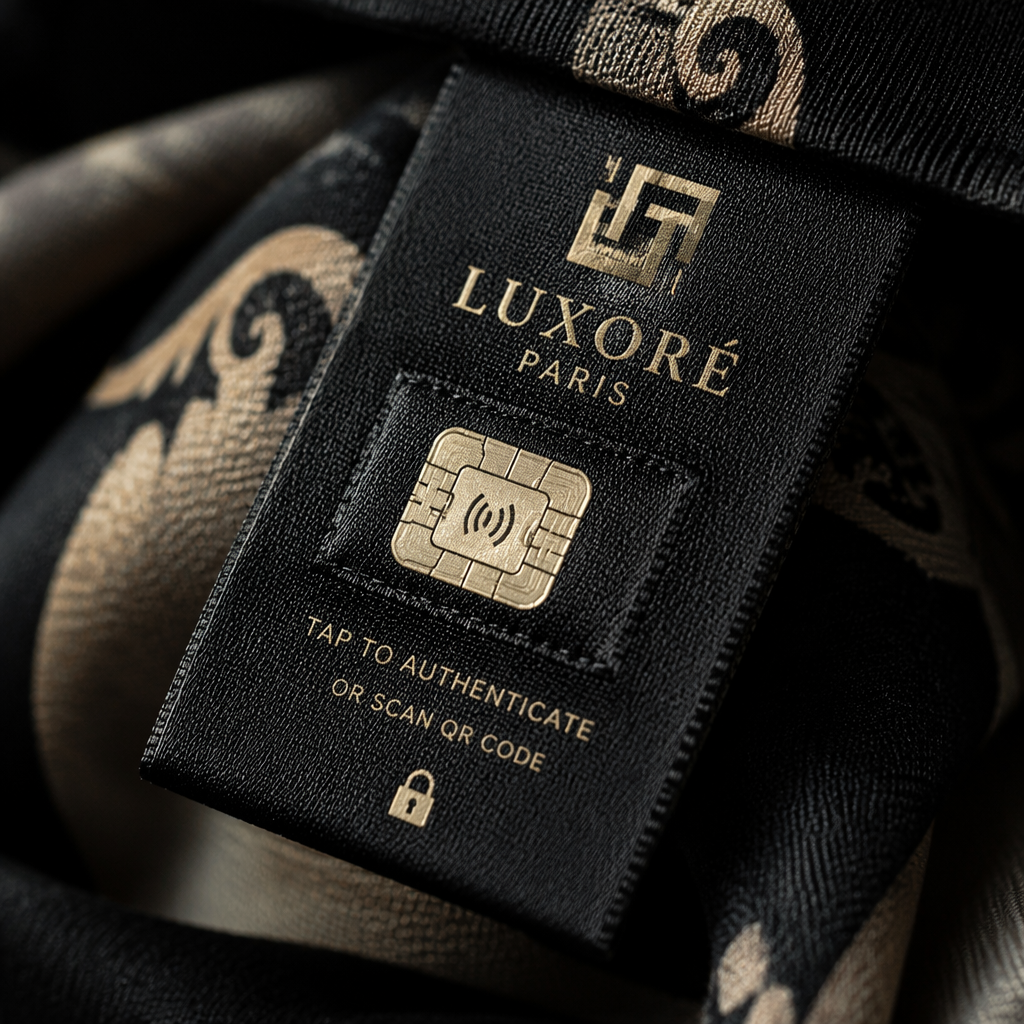
The fashion industry has long fetishized the physical: the weight of a fabric, the curve of a seam, the whisper of a bespoke lining. Labels, those discreet rectangles of twill or satin, have always been part of that tactile romance – a final punctuation of identity inside a garment. But today, they are quietly becoming the most technologically charged square inch in fashion. Near Field Communication (NFC) chips, woven or bonded into labels, are turning these tiny brand signatures into active, digital touchpoints. And while the tech may sound futuristic, its adoption is accelerating precisely because it answers a very old-world luxury problem: trust.
The Digital Handshake of Authentication
Counterfeits are the phantom limb of luxury. No brand, from Hermès to emerging designers, escapes the shadow market. The traditional arms race — holograms, serial numbers, RFID tags — has always been reactive, a game of cat and mouse. NFC chips embedded in clothing labels flip the script because they offer something uniquely personal: a direct, encrypted conversation between the product and the owner’s smartphone.
Unlike a QR code that can be copied and pasted onto a thousand fake garments, a properly implemented NFC tag carries a cryptographically secure, unique identifier. When tapped, it pings a server to verify the item’s provenance. Think of it as a digital handshake that confirms not only the garment’s authenticity but also its entire journey. LVMH’s AURA Blockchain Consortium, for instance, has been quietly rolling out NFC-enabled authentication across maisons like Louis Vuitton, Bulgari, and Hublot. Their tags allow owners to view a product’s history — from raw materials to sale — with a tap. For the independent designer, this technology is equally transformative. A small atelier can now offer a level of proof and storytelling that was once the exclusive domain of conglomerates.
The Anatomy of a Smart Label
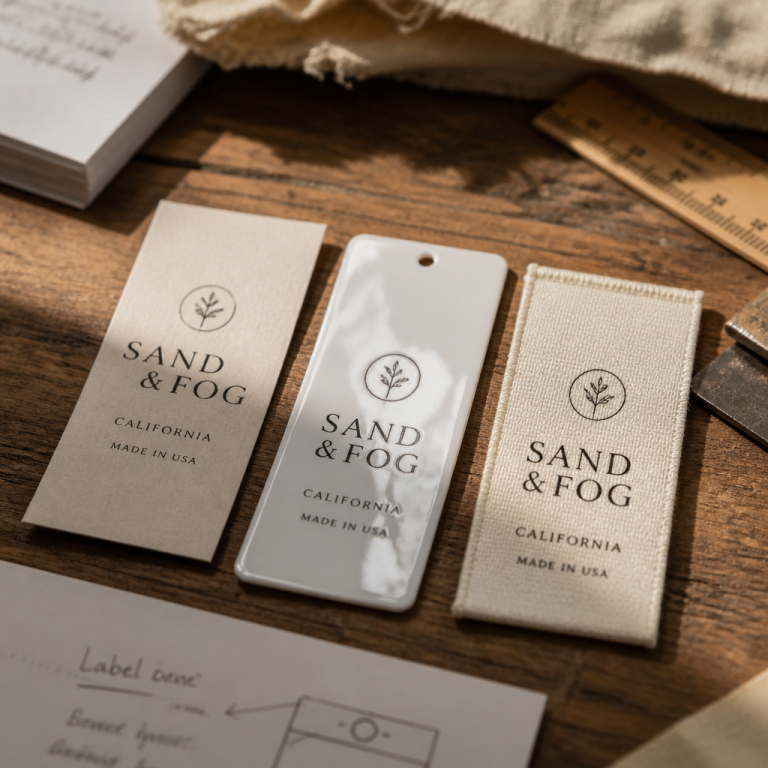
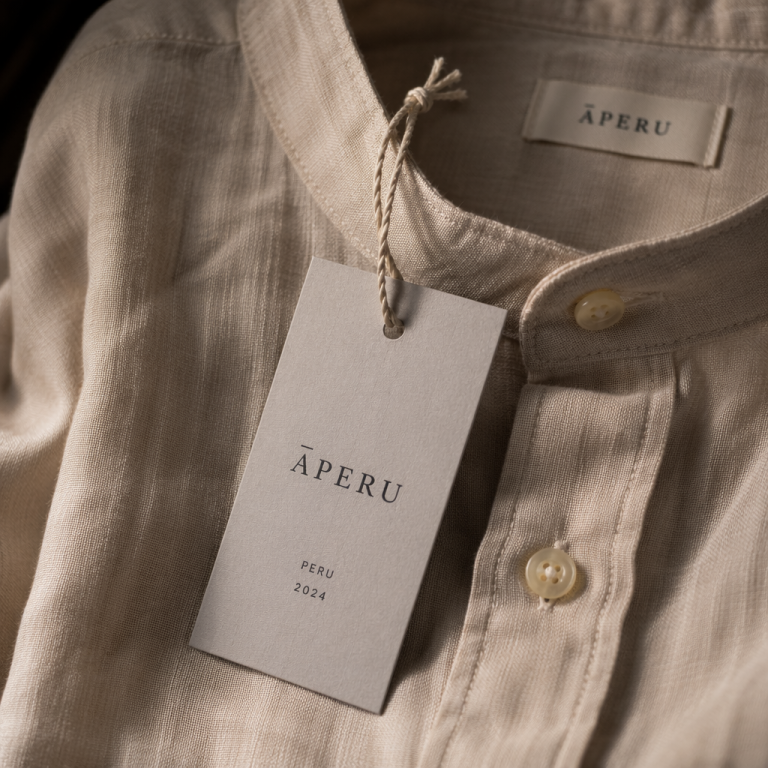
What makes this possible is the label itself. The NFC chip, often no thicker than a sheet of paper, can be sandwiched between layers of woven damask or heat-sealed into a printed satin tape. The antenna is a thread-like coil of conductive ink or microfilament. The result is a label that feels almost indistinguishable from a traditional one — still soft, still stitchable — but now with a hidden digital heartbeat. Some brands, like the pioneering smart-textile company Evrnu, are even experimenting with chips that dissolve at end-of-life, aligning with circular economy principles.
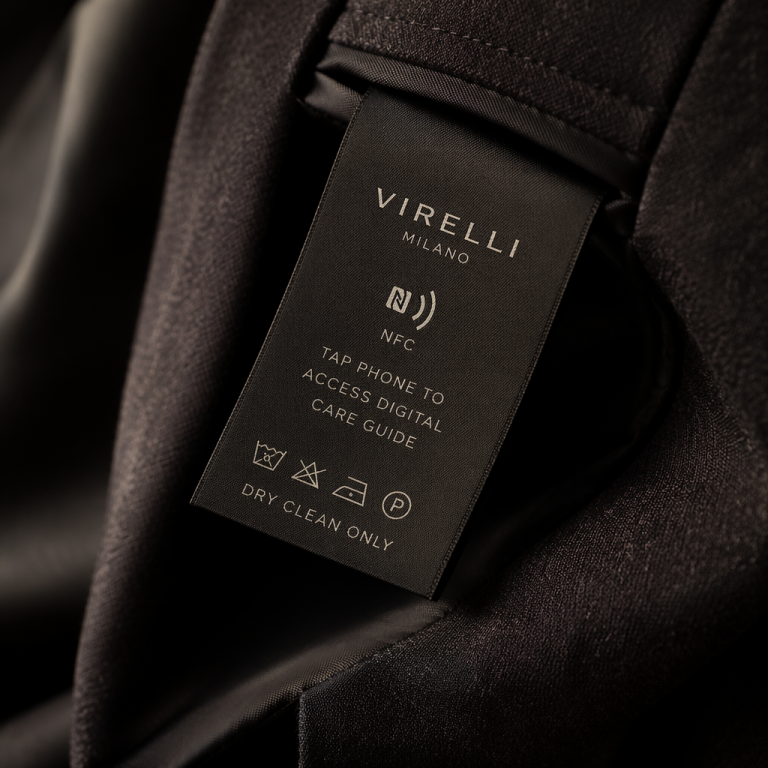
The key design advantage? The technology disappears. A tailor can sew it into a side seam or behind a brand’s main label. The customer notices nothing until the moment they choose to engage. That discretion is pure luxury. As a fashion editor, I’ve inspected garments from forward-thinking labels like A-Cold-Wall* and Stone Island — the latter’s recent collections use NFC patches sewn into outerwear to share a digital certificate and care guide. The chip doesn’t scream; it whispers. And in a market oversaturated with logos, a whisper can be devastatingly effective.
The Customer Journey, Reimagined
A tap on a label does more than prove authenticity. It unlocks a new dimension of customer experience — one that extends the relationship between brand and owner far beyond the point of sale. Suddenly, a garment can tell its own story: the mill where the wool was spun, the artisan who cut the pattern, the atelier’s energy-saving practices. It can offer styling advice, suggest complementary pieces, or even register the item for resale on a brand-owned secondary platform.
From Care Label to Concierge
I recall a cashmere knit from a small Scottish mill that embedded an NFC label in its neckline. When scanned, it didn’t just list “dry clean only.” It played a 40-second video of the dyer explaining why the particular shade of heather took three weeks to perfect, and it invited me to join a virtual masterclass on pilling prevention. That depth of connection turns a one-time purchaser into a loyalist. More practically, it reduces returns: a customer unsure about sizing can tap to see a model of similar build wearing the garment, or access exact finished measurements.
For luxury brands, the NFC label also opens a discreet channel for after-sales service. A tap could request a repair, authenticate a warranty claim, or even unlock invitation-only events. The label becomes a membership card sewn into the fabric. Loro Piana’s made-to-order tailoring service, for instance, could use such a label to keep track of a client’s preferences, ensuring that the next commission picks up the thread of the last.
Designing for the Invisible Interface
Incorporating NFC into a clothing label demands more than just a tech supplier. It requires thinking like a product designer, not just a fashion designer. The integration must be seamless — both electrically and aesthetically. A poorly placed chip can create a stiff spot that irritates the wearer or cracks after repeated washing. That’s why specialists in luxury garment labels, like those at auralabels.com, have spent years refining the marriage of soft-hand fabrics with durable electronic threads.
Here’s what a successful smart label design considers:
- Material harmony: The chip carrier material should match the label’s flexibility — polyester satin for silks, soft cotton for knitwear, heat-sealed for washability.
- Placement logic: Side seams, neckline facings, or interior hem folds protect the chip from physical stress without disrupting the garment’s drape.
- Engagement triggers: A small, almost invisible icon (a circle, a discreet dot) can signal that the label is NFC-enabled without screaming “tech.”
- Data security: Implementing tag-originated authentication (where the chip generates a unique, dynamic URL) prevents cloning. Partnerships with platforms like Authena or Certilogo offer encrypted end-to-end solutions for brands of all sizes.
The New Luxury Patina
Interestingly, the smart label is giving rise to a new kind of patina — a digital one. As a garment ages, its NFC tag can log each authenticated tap, creating a chronological record of ownership that, with permission, could be shared with future buyers in a resale market. Imagine buying a vintage Dior jacket and, with a tap, seeing that it was originally purchased at 30 Avenue Montaigne in 2015, then loved by three owners who each verified its history. That provenance transforms a second-hand piece into a collectible. Brands are beginning to explore this: the online luxury resale platform Vestiaire Collective has already experimented with NFC-backed “Digital IDs” in partnership with brands like Chloé and Burberry to combat counterfeits and boost the resale value of pre-owned goods.
What Every Independent Designer Should Do Now
You don’t need a conglomerate’s budget to start embedding intelligence into your labels. The entry point is simpler than you think. Begin by identifying one hero product — a signature jacket, a limited-edition dress — and prototype an NFC-enabled label that tells the story behind it. Work with a label manufacturer that understands both textile craft and embedded technology. auralabels.com, for instance, works closely with designers to create label solutions that feel as luxurious as the garment while carrying the digital weight of authentication.
Then, step back and consider the narrative. A smart label isn’t a gimmick; it’s an editorial platform. Curate the content that greets your customer: a video of your atelier, a note from you, a lookbook of styling possibilities. Make it personal. The brands that thrive in this new landscape will be those that see every tap as an intimate moment